

British Citizenship Referee Checklist: Eligibility, Rules & Restrictions
December 12, 2025
ETA Requirements February 2026: What Visitors Must Know
February 3, 2026UK Transit Visa Overview Who Needs One, When and Why
 Vishang Shah
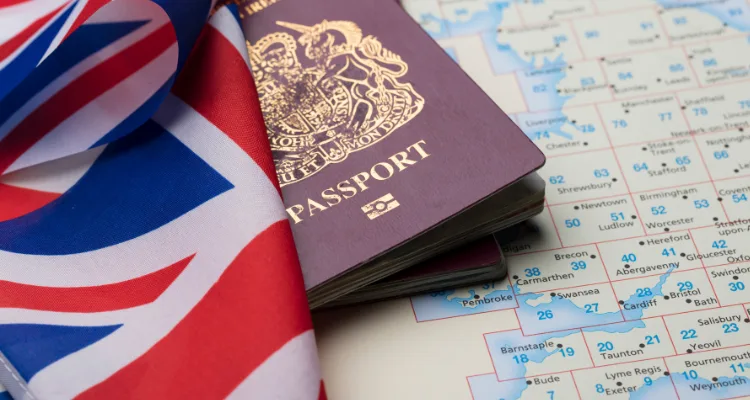
UK transit visas are short‑term visas that allow certain non‑UK and non‑Irish nationals to pass through the UK on their way to another country, either without going through border control (airside) or by entering the UK briefly (landside).
They are only for genuine onward travel, never for staying, working or settling in the UK, and the rules are tightly defined in UK immigration law and Home Office guidance.
Introduction
A UK transit visa is relevant when the UK is simply a stop on your journey, not your final destination, and is designed to control who can pass through UK territory while ensuring genuine travellers can continue their trip smoothly.
For individuals and businesses planning multi‑leg itineraries through London or other UK hubs, the rules on who needs a transit visa, when, and why can significantly affect route choices and ticketing.
Westend Consultant is a UK‑based immigration specialist supporting personal and business travellers with complex visa routes, including situations where UK transit is involved in a broader immigration or travel strategy.
Working with an experienced immigration specialist can help you understand if you really need a transit visa or if you fall under a visa‑free or Transit Without Visa (TWOV) exemption.
What Is a UK Transit Visa?
A UK transit visa is an entry clearance that allows citizens of certain countries to pass through the United Kingdom on their way to another destination. Unlike a Standard Visitor visa, which permits tourism, business activities, or family visits, a transit visa serves only one purpose: getting you safely and legally from one country to another.
Think of it as a 'permission to pass through' rather than a permission to stay, work, or visit. The UK recognises that some travellers need to move through its airports or borders quickly, and the transit visa framework provides a legal route for this.
Key characteristics of a UK transit visa:
- It's short-term, typically valid for 24 or 48 hours depending on the type
- It's purpose-specific (transit only—no tourism, work, or study allowed)
- It requires proof of onward travel to a third country
- It's strictly limited in scope and doesn't permit certain activities UK visitor visas would allow
- Application is made entirely before you travel to the UK (you cannot apply on arrival)
Why do transit visas exist?
Transit visas exist to allow the UK to manage immigration risk while still supporting global air and sea travel through its hubs. By requiring certain nationalities to obtain a transit visa, the Home Office can check identity, security risks and travel intentions before a traveller reaches the border.
They also reduce the risk of people using transit as a way to circumvent normal visitor or entry routes, for example by remaining in the UK after arrival when they were only authorised to pass through.
At the same time, exemptions and TWOV arrangements ensure that low‑risk, well‑documented travellers can transit efficiently without unnecessary applications.
Who needs a UK transit visa?
You generally need a UK transit visa if you are from a country that requires a visa to enter the UK (a "visa national") and you do not qualify for the Transit Without Visa (TWOV) scheme.
You likely need a visa if:
- You are a national of a country listed in the UK Immigration Rules (e.g., India, Pakistan, Ghana).
- You have a long layover and need to leave the airport to stay at a hotel.
- You need to collect your luggage and check it in for the next flight (this requires passing border control).
Who does not need a UK transit visa?
You will not need a UK transit visa if you are:
- A British citizen, Irish citizen, or someone with existing permission such as indefinite leave to remain.
- A non‑visa national who does not normally need a visa to visit the UK and who meets visitor entry or ETA requirements.
Certain visa nationals can also transit without a UK transit visa if they meet the strict Transit Without Visa (TWOV) conditions. Typically, this requires:
- A qualifying visa or residence permit for specific countries such as the USA, Canada, Australia or New Zealand.
- Confirmed onward travel that departs within the relevant timeframe (for example, before 23:59 the day after arrival for landside TWOV)
Nationals travelling entirely within the Common Travel Area (UK, Ireland, Channel Islands, Isle of Man) also do not fall under the transit visa route, as their movement is governed by separate arrangements.
Types of UK transit visas
The UK recognises distinct transit routes, each with different conditions and, for some travellers, different fees. The main types relevant to visa nationals are:govuk
- Direct Airside Transit Visa (DATV) – for staying in the international transit area without passing border control.
- Visitor in Transit visa – for entering the UK briefly (landside) before leaving again within the permitted time.
In some situations, a Standard Visitor visa may be more appropriate if you intend to stop over or your layover exceeds the transit limits. This is distinct from a transit visa and carries its own conditions, including permitted activities and length of stay.
When do you need a UK transit visa?
You need a UK transit visa when you are a visa national, do not meet any TWOV or other exemptions, and you are using a UK port (usually an airport) on the way to another destination.
There are two key questions:
- Will you go through UK border control?
- Do you hold any qualifying visas or residence permits for specified countries?
If you will not pass border control and remain airside, a DATV may be required depending on your nationality and documentation. If you need to collect baggage, change airports, or check in again and therefore must enter the UK, a Visitor in Transit visa is normally needed if you are a visa national without a qualifying exemption.
UK Immigration Rules Affecting Transit Visas
Transit visas sit within the broader UK immigration framework for visitors and are governed by the Immigration Rules and Home Office caseworker guidance.
The rules define who counts as a transit visitor, the maximum permitted stay, and the requirement for genuine onward travel outside the Common Travel Area.
Border Force and entry clearance officers are instructed to assess:
- Whether the UK is genuinely a stop and not the main destination.
- Whether onward travel is credible and properly documented.
Changes to visitor and ETA policy can also affect transit routes, especially for non‑visa nationals who may require an ETA for certain types of travel through the UK.
Required documents for a UK Transit Visa
The exact documents can vary slightly between DATV and Visitor in Transit, but core items are broadly consistent. Generally, you will need
- A valid passport or travel document with enough validity for the journey.
- Proof of confirmed onward travel, such as a booked flight or travel itinerary.
- Proof that you are allowed to enter your destination, such as a visa or residence permit if required.
You may also be asked for:
- Evidence of funds for the short stay if entering the UK landside.davidsonmorris
- showing the reason for your journey and route, such as a travel booking for an event or onward stay.
For a Visitor in Transit visa, the Home Office expects clear evidence that you will leave the UK within 48 hours and that you do not intend to work, live or study during the transit.
How to apply for a UK transit visa (step‑by‑step)
Applications for UK transit visas are made online through the official GOV.UK platform, followed by a biometric appointment.
-
Check your eligibility and visa type
- Confirm whether you need a DATV or Visitor in Transit visa using the official guidance for your nationality and route.
-
Complete the online application form
- Use the UK government’s online system to fill in your details, travel plans, and security information.
- Ensure dates, flight numbers and destination details match your evidence.
-
Pay the visa fee
- Pay the applicable fee online using an accepted payment method; the amount depends on your visa type.
-
Book and attend your biometric appointment
- Book an appointment at a Visa Application Centre (VAC) to provide fingerprints and a photograph.
- Bring your passport, printed application form (if required), and supporting documents to the appointment.
-
Wait for a decision and collect your passport
- Your application will be assessed by UKVI, and you will receive a decision and your passport with or without a visa vignette.
- Check the visa dates and conditions carefully before travelling to ensure they align with your itinerary.
Cost of UK Transit Visas
UK transit visa fees are published on GOV.UK and are subject to change, so applicants should always confirm the current fee at the time of application. The cost varies by visa type, with separate fees for DATV and Visitor in Transit visas.
Some legal and advisory sites summarise typical headline figures, but only the official government fee table is authoritative for current charges. Applicants should also budget for:
- Visa Application Centre service fees or optional priority services.
- Any professional fees if using an immigration consultant or lawyer.
Common reasons UK transit visa is refused
Transit visa applications can be refused for reasons similar to other visitor categories, often linked to credibility, documentation or eligibility. Frequent refusal grounds include:
- Insufficient evidence of confirmed onward travel or permission to enter the destination country.
- Concerns that the applicant intends to stay in the UK rather than transit or has weak ties to the country of residence.
Other issues can include inconsistent information between the form and evidence, previous non‑compliance with immigration rules, or failure to meet TWOV conditions where the traveller attempted to rely on an exemption.
What happens at UK airports during transit?
During transit through a UK airport, your experience will differ depending on whether you are transiting airside or landside. Airside transit keeps you within the international transit area, where you follow airport signage to transfer desks or departure gates without passing the UK border.
Landside transit involves going through UK border control, where Border Force officers can check your passport, visa or TWOV eligibility, and supporting documents before allowing you entry to complete your onward travel. Airlines also play a role by checking that you meet the UK’s transit requirements before boarding, particularly when electronic visas or permits are involved.
Travellers should:
- Keep all documents (passport, visa, onward ticket, destination visa) readily accessible.
- Allow enough connection time for security, border checks, and moving between terminals or airports.
Conclusion
A UK transit visa is a tightly defined route that enables certain travellers to pass through the UK safely and lawfully when the country is not their main destination, with different rules depending on whether the transit is airside or landside.
Understanding whether you need a DATV, a Visitor in Transit visa, a Standard Visitor visa, or can use TWOV is essential to avoid boarding problems or refusals at the border.
For individuals and businesses planning itineraries through the UK, specialist advice from firms such as Westend Consultant can help you select the correct visa route, prepare robust documentation and coordinate transit with wider immigration plans.
To explore tailored support, you can review Westend Consultant’s personal immigration, business immigration and sponsor licence services and book a consultation before booking complex multi‑leg journeys.
Frequently Asked Questions (FAQs)

Vishang Shah
Co-Founder of Westend Consultants
Vishang is Co-Founder of Westend Consultants and has been helping clients with UK immigration matters since the firm was established in 2008. With nearly 18 years of experience, he has built his practice around giving clear, honest and practical advice to both businesses and private clients.