

Skilled Worker Visa Interview Questions: What to Expect and How to Prepare
March 18, 2026
How to Set Up a UK Company for Self-Sponsorship: Complete Step-by-Step Guide
April 6, 2026UK Visa Refused? Reasons, Appeal Options, and How to Reapply Successfully
 Vishang Shah

Vishang Shah
Co-Founder of Westend Consultants
Vishang is Co-Founder of Westend Consultants and has been helping clients with UK immigration matters since the firm was established in 2008. With nearly 18 years of experience, he has built his practice around giving clear, honest and practical advice to both businesses and private clients.
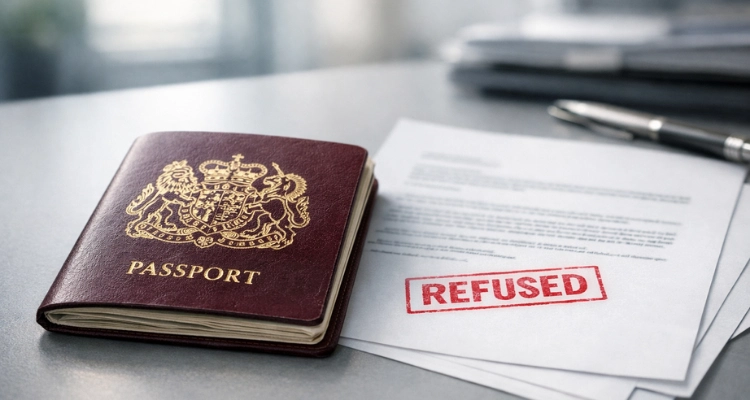
Having your UK visa refused can be stressful and disappointing.
You may feel uncertain about what went wrong and what to do next.
However, a refusal is not the end of your journey. With the right understanding and approach, you can take steps to fix the issue and apply it again successfully.
The UK visa application process is strict, and decisions are based on detailed checks of your documents, financial situation, and personal circumstances. Even small mistakes or missing information can lead to a refusal.
That is why it is important to understand the exact reason for your refusal.
Once you know what went wrong, you can decide whether to appeal the decision or submit a stronger application.
In this guide, you will learn why UK visas get refused, your appeal options, and how to reapply successfully.
What Does a UK Visa Refusal Mean?
If your UK visa application has been refused, it means that the Home Office has reviewed your application and decided that you do not meet the requirements for the visa you applied for.
Understanding what a refusal means can help you decide your next steps and avoid making the same mistakes again.
Difference Between Refusal and Rejection
A visa refusal and a rejection are not the same.
- A refusal happens when your application has been processed, but the decision-maker concludes that you do not meet the eligibility criteria. This is usually based on your documents, financial situation, or credibility.
- A rejection, on the other hand, typically occurs when your application is incomplete or invalid. For example, if you fail to pay the correct fee or do not submit the required forms, your application may be rejected without being fully assessed.
In most cases, applicants deal with refusals rather than rejections.
What Is a Refusal Letter?
When your visa is refused, you will receive a refusal letter from the Home Office.
This letter explains:
- The reasons for the refusal
- The immigration rules that apply to your case
- Whether you have the right to appeal or request a review
It is important to read this letter carefully. It provides the key information you need to understand what went wrong and how to fix it.
Common Reasons for UK Visa Refusal
Understanding why UK visas are refused is one of the most important steps in improving your chances of success.
Many refusals happen due to avoidable mistakes or a lack of proper evidence.
Below are the most common reasons your visa may have been refused.
Insufficient Financial Evidence
One of the most frequent reasons for refusal is failing to provide clear and sufficient financial proof.
This can include:
- Bank statements that do not show enough funds
- Large or unexplained deposits
- Inconsistent income records
The Home Office needs to see that you can support yourself during your stay without relying on public funds.
If your financial documents are unclear or incomplete, your application may be refused.
Lack of Genuine Intent
The Home Office must be satisfied that you genuinely intend to follow the conditions of your visa.
For example, if you are applying for a visitor visa, they need to believe that you will leave the UK after your visit.
Your application may be refused if:
- You cannot show strong ties to your home country
- Your travel purpose is unclear
- Your documents do not support your stated plans
Incomplete or Incorrect Documentation
Missing or incorrect documents can lead to immediate refusal.
Common issues include:
- Not submitting the required documents
- Providing outdated or incorrect information
- Errors in the application form
Even small mistakes can raise concerns about the reliability of your application.
Previous Immigration History Issues
Your past immigration history plays a significant role in your application.
Refusals may occur if you have:
- Overstayed a previous visa
- Breached visa conditions
- Had previous visa refusals
The Home Office carefully reviews your history to assess your credibility.
Failure to Meet Visa Requirements
Each visa category has specific requirements, and failing to meet them can result in refusal.
This may happen if:
- You applied for the wrong visa type
- You do not meet the eligibility criteria
- You fail to provide the required evidence
It is important to understand the requirements for your chosen visa before applying.
Can You Appeal a UK Visa Refusal?
After receiving a visa refusal, one of the first questions you may have is whether you can appeal the decision.
The answer depends on the type of visa you applied for and the reason for the refusal.
Not all refusals come with a right of appeal, so it is important to understand your options.
When You Have the Right to Appeal
You usually have the right to appeal if your application involves human rights or protection claims.
For example, appeals are more common in cases such as:
- Family visas where human rights are involved
- Asylum or protection claims
If you have the right to appeal, your refusal letter will clearly state this and provide instructions on how to proceed.
Administrative Review vs Appeal
In many cases, instead of an appeal, you may be offered an administrative review.
An administrative review allows you to ask the Home Office to check whether a mistake was made in the decision. This is usually available for points-based visas, such as work or student visas.
Key differences:
- Administrative review checks for caseworker errors
- Appeal allows you to challenge the decision more formally
Judicial Review Overview
If you do not have the right to appeal or administrative review, another option may be a judicial review.
A judicial review is a legal process where a court examines whether the Home Office made an unlawful decision.
This option is more complex and usually requires legal advice. It is typically used in more serious or complicated cases.
Understanding which option applies to your situation is important before deciding on your next steps.
How to Appeal a UK Visa Refusal
If you have the right to appeal, it is important to follow the correct process and prepare your case carefully.
A well-prepared appeal can increase your chances of overturning the refusal.
Here are the key steps you should follow.
Step 1: Review the Refusal Letter
Start by carefully reading your refusal letter.
This document explains:
- Why was your visa refused
- Which immigration rules were applied
- Whether you have the right to appeal
Understanding the exact reasons for refusal is essential before taking any action.
Step 2: Identify Errors in the Decision
Next, check whether the decision contains any errors.
For example:
- Did the Home Office misunderstand your documents?
- Was any important evidence overlooked?
- Were the rules applied incorrectly?
If you can clearly identify mistakes, you may have a strong basis for an appeal.
Step 3: Prepare Supporting Evidence
You will need to provide evidence to support your appeal.
This may include:
- Additional financial documents
- Proof of employment or ties to your home country
- Clarifications or explanations for issues raised
Your evidence should directly address the reasons for refusal.
Step 4: Submit Your Appeal
Once your documents are ready, you can submit your appeal following the instructions in your refusal letter.
This may involve:
- Completing an appeal form
- Paying a fee
- Attending a hearing if required
Make sure you submit your appeal within the deadline mentioned in your refusal letter. Missing the deadline can affect your chances of success.
How to Reapply After a UK Visa Refusal
If you do not have the right to appeal, or if you choose not to appeal, you can submit a new visa application.
Reapplying is often the most practical option, but it is important to fix the issues that led to your refusal.
Submitting the same application again without changes will likely result in another refusal.
Step 1: Understand the Reason for Refusal
Before reapplying, take time to carefully review your refusal letter.
You should:
- Identify the exact reasons for refusal
- Understand which requirements were not met
- Note any concerns raised by the Home Office
This step is essential because it helps you avoid repeating the same mistakes.
Step 2: Correct Mistakes
Once you understand the issues, you need to correct them.
This may involve:
- Providing missing documents
- Clarifying inconsistencies
- Improving your financial evidence
For example, if your application was refused due to insufficient funds, you should ensure your bank statements clearly show the required amount and are properly explained.
Step 3: Prepare Strong Supporting Evidence
A strong application is supported by clear and reliable evidence.
You should include:
- Updated financial documents
- Proof of employment or income
- Evidence of ties to your home country
- Any additional documents that address the refusal reasons
Your goal is to show that the concerns raised in the refusal have been fully resolved.
Step 4: Submit a New Application
Once your application is improved, you can submit a new visa application through the official UK government website.
<a href=”https://www.westendconsultants.co.uk/” rel=”nofollow noopener noreferrer” target=”_blank”>Westend Consultants</a>
Make sure that:
- All information is accurate and consistent
- Documents are complete and up to date
- Your application clearly addresses previous refusal reasons
Taking the time to prepare a stronger application can significantly improve your chances of success.
Conclusion
A UK visa refusal can feel like a major setback, but it does not mean your plans have to end.
In many cases, refusals happen because of missing documents, unclear information, or not fully meeting the visa requirements.
The key is to understand what went wrong and take the right steps to fix it.
Each visa application is assessed on its own merits, so correcting past mistakes and providing clear, accurate evidence can make a real difference.
If you want to avoid further refusals and improve your chances of approval, professional guidance can be extremely valuable.
Westend Consultants specialises in helping individuals deal with UK visa refusals, prepare strong reapplications, and navigate the appeals process. Our experienced team understands UK immigration rules and can guide you through each step with confidence.
If your UK visa has been refused and you need expert support, contact Westend Consultants for a consultation.
Frequently Asked Questions (FAQs)
1. Can I reapply after a UK visa refusal?
Yes, you can reapply after a visa refusal. However, it is important to address the reasons for the refusal before submitting a new application.
2. How long should I wait before reapplying?
There is no fixed waiting period. You can reapply as soon as you have corrected the issues that led to the refusal.
3. Does a refusal affect future applications?
Yes, previous refusals can affect future applications. You must disclose them and show that the issues have been resolved.
4. Can I appeal all visa refusals?
No, not all visa refusals come with a right of appeal. Your refusal letter will explain whether you can appeal or request an administrative review.
5. What are the chances of success after refusal?
Your chances depend on how well you address the refusal reasons. A well-prepared application with strong evidence can significantly improve your chances.